The Future of Storage Tank Manufacturing: Patterns and Technologies to See
The storage tank manufacturing sector is on the cusp of an essential advancement, driven by arising patterns in clever materials, automation, and sustainability. As sectors progressively prioritize ecological duty, developments such as environmentally friendly composites and IoT-driven monitoring systems are improving functional standards. Additionally, the growing need for customization and modular designs recommends a change towards even more adaptable manufacturing methods. Recognizing these fads not just highlights the obstacles in advance however additionally exposes chances that could redefine the landscape of storage tank production in the coming years. What effects might these improvements hold for industry stakeholders?
Developments in Smart Materials
In the last few years, the storage tank manufacturing sector has seen a substantial uptick in the adoption of wise materials, revolutionizing style and capability. Smart products, which can respond dynamically to ecological adjustments, have actually made it possible for manufacturers to produce tanks that are not just a lot more durable yet additionally extra reliable in their functional capacities.
One significant development is the integration of form memory alloys and polymers that can adapt to differing stress and temperature levels. This flexibility enhances the structural integrity of tanks, minimizing the danger of failures and leaks (Oil Field Storage Tank Fabricator Texas). In addition, these products commonly show self-healing buildings, which further prolongs the life-span of storage space containers, decreasing upkeep expenses and enhancing security
Furthermore, the unification of sensors within wise materials enables for real-time monitoring of container problems, supplying essential information that helps in anticipating upkeep and danger monitoring. This data-driven approach not just boosts operational performance but additionally straightens with ecological sustainability objectives by optimizing source usage and protecting against spills.
Increase of Automation Technologies
The surge of automation technologies is transforming storage tank manufacturing by incorporating robotics right into manufacturing procedures, boosting effectiveness and precision. Furthermore, the implementation of smart sensors makes it possible for real-time tracking, ensuring quality assurance and safety criteria are satisfied. AI-driven process optimization even more improves procedures, lowering costs and improving overall efficiency in the market.
Robotics Combination in Manufacturing
Robotics integration is reinventing the manufacturing landscape, especially in the storage tank sector. As manufacturers undertaking for boosted efficiency and accuracy, robotics innovations are ending up being vital tools for streamlining manufacturing procedures. Automated systems are capable of doing repetitive jobs with better speed and accuracy than human labor, lowering the likelihood of errors and improving general item high quality.
Among the vital benefits of robotic assimilation is the capability to maximize process. Automated robotic arms can deal with hefty materials, weld components, and conduct evaluations, which minimizes physical stress on employees and decreases downtime. This shift not just enhances safety and security yet also enables human employees to concentrate on even more complex and value-added jobs.
Robotics can promote adaptable production, enabling business to adapt promptly to changing market needs. Advanced programs enables robots to easily switch in between different jobs and products, which is specifically advantageous in a sector where modification is significantly desired
As robotics modern technology remains to develop, manufacturers can anticipate boosted capabilities, consisting of improved machine discovering formulas and augmented reality applications, even more driving performance in storage tank production and setting new requirements for the sector.
Smart Sensors Deployment
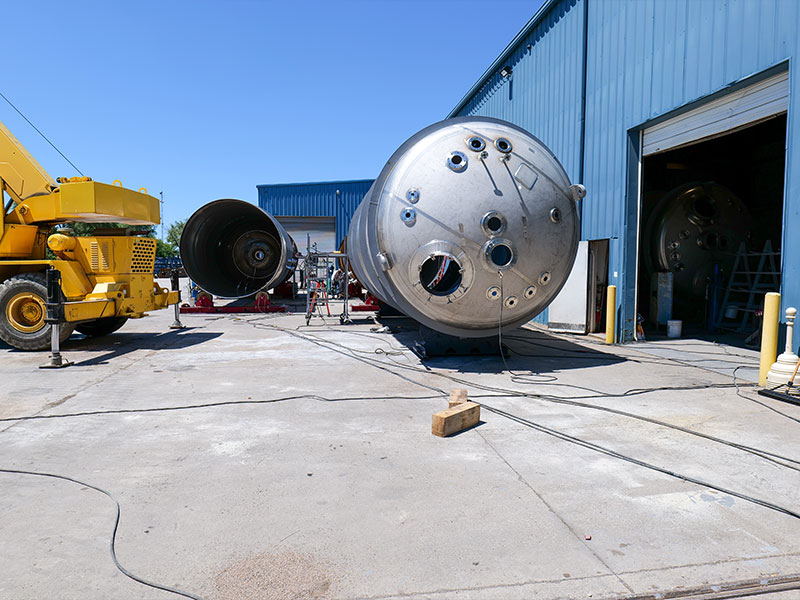
Additionally, the data collected from these sensors can be leveraged to enhance the supply chain, making certain that materials are offered when needed while decreasing waste. This degree of understanding allows manufacturers to respond swiftly to changing conditions and customer demands, boosting total performance.
Additionally, wise sensors add to enhanced regulatory conformity by continuously checking environmental variables and ensuring adherence to security requirements. As the market advances towards even more sustainable techniques, the capacity to keep an eye on discharges and resource intake in real-time is vital.
AI-Driven Process Optimization
Manufacturers in the storage tank sector are significantly using the power of AI-driven process optimization to boost functional performance and decision-making capabilities. By integrating innovative formulas and equipment understanding methods, companies can analyze large quantities of data produced throughout the production process. This data-driven technique enables real-time tracking of production metrics, leading to more educated choices and prompt treatments.
AI innovations promote anticipating upkeep, permitting manufacturers to expect tools failures before they occur, therefore decreasing downtime and maintenance costs. Additionally, these systems can optimize resource allotment by analyzing production patterns and changing process, making certain that materials and labor are used successfully.
AI-driven optimization boosts high quality control by recognizing prospective flaws during the manufacturing procedure. Automated examinations powered by AI can rapidly spot variances, guaranteeing that just items meeting rigorous top quality requirements advance with the assembly line.
As the storage tank industry remains to accept automation, AI-driven procedure optimization stands apart as a transformative pressure, driving advancement and competitiveness. By leveraging these modern technologies, manufacturers can not only enhance procedures however likewise adapt swiftly to market demands, placing themselves for lasting development in a significantly complex manufacturing landscape.
Focus on Sustainability Practices
As the storage tank manufacturing market evolves, a significant emphasis is put on sustainability practices. This includes the adoption of green materials, the execution of energy-efficient production procedures, and the integration of circular economic climate concepts. By focusing on these efforts, manufacturers not only decrease their ecological influence however also improve the long life and performance of their products.
Green Materials Adoption
Progressively, the storage tank production industry is accepting eco-friendly materials as a basic facet of sustainability methods. This change is driven by enhanced ecological recognition and regulatory stress, prompting manufacturers to seek options that lessen environmental influence.
Recycled steels and eco-friendly compounds are acquiring traction, supplying both efficiency and reduced carbon impacts. As an example, using high-recycled-content steel not only decreases the demand for virgin products however additionally boosts the general sustainability of the item lifecycle. Additionally, manufacturers are checking out bio-based materials that supply durability while being much less unsafe to the environment.
The fostering of green coatings and surfaces, which are complimentary from unpredictable organic substances (VOCs), reflects the market's commitment to decreasing air contamination and advertising healthier working problems. These advancements not only line up with global sustainability goals however additionally fulfill the growing market demand for greener items.
The assimilation of environmentally friendly products in storage tank production is not just a trend; it stands for a positive technique towards responsible manufacturing that focuses on both environmental stewardship and economic stability, establishing a new standard for future developments in the industry.
Energy-efficient Manufacturing Processes
There is a growing recognition within the storage tank manufacturing market of the value of energy-efficient processes as an essential element of sustainable practices. As the market encounters enhancing pressure to reduce its carbon impact, manufacturers are carrying out innovative modern technologies and approaches aimed at decreasing energy intake throughout the manufacturing cycle.
One significant fad is the fostering of advanced manufacturing techniques such as lean manufacturing and automation. These approaches improve operations, lower waste, and improve performance, while also reducing power use. Furthermore, the assimilation of renewable resource sources, such as solar and wind power, into manufacturing facilities is coming to be much more prevalent, enabling firms to operate sustainably and reduce dependence on fossil gas.
Furthermore, energy-efficient equipment and equipment are being prioritized in brand-new financial investments, as manufacturers look for to maximize their power consumption. Making use of power administration systems enables real-time monitoring and evaluation, assisting in continuous improvement in power efficiency.
Circular Economic Situation Assimilation
A noteworthy change in the direction of round economic climate integration is changing sustainability methods within the storage tank manufacturing industry. This approach highlights the value of resource effectiveness, waste decrease, and the recycling of products throughout the production lifecycle. By adopting round concepts, manufacturers are increasingly concentrated on developing storage tanks that focus on repairability, recyclability, and longevity.
As component of this modification, companies are exploring ingenious products and production methods that reduce ecological influence. The consolidation of recycled steels and plastics not only decreases the need for virgin resources but additionally lowers carbon discharges connected with removal and processing. In addition, manufacturers are carrying out take-back schemes that facilitate the refurbishment and recycling of end-of-life containers, consequently closing the loophole in the production cycle.
Cooperation among stakeholders, including suppliers and consumers, is important for fostering a circular economy (Storage Tank Manufacturing). This collaboration makes it possible for the sharing of best practices and motivates the growth of sustainable supply chains. Inevitably, integrating round economic climate concepts into storage tank manufacturing not just improves environmental stewardship but likewise placements companies to meet developing governing standards and consumer assumptions for sustainability
Improved Safety Procedures
In today's production landscape, boosted security protocols have actually come to be critical for storage tank manufacturers. The market faces enhancing regulative scrutiny and demands for higher security requirements due to the possible threats linked with the storage of dangerous check this site out products. As a result, manufacturers are adopting a complex approach to improve precaution throughout the production process.
One substantial development is the execution of advanced risk analysis devices that identify prospective hazards during the style and manufacturing stages. These devices assist in aggressive procedures to minimize risks prior to they escalate right into critical issues. Manufacturers are investing in employee training programs that stress security practices, assuring that all personnel are skilled in emergency situation treatments and devices handling.
Furthermore, there is a growing emphasis on the use of high-quality materials and cutting-edge layouts that enhance architectural honesty and decrease the chance of leaks or failings. Routine upkeep checks and rigorous screening methods are also being incorporated right into the production lifecycle to guarantee conformity with safety and security policies.
Integration of IoT Solutions
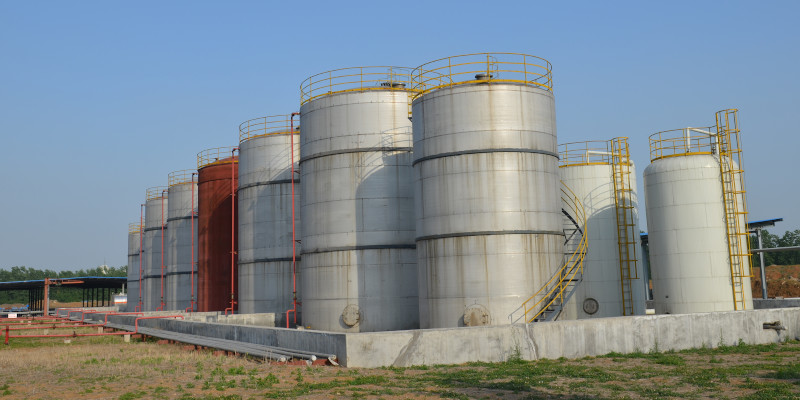
IoT devices facilitate anticipating maintenance, which lessens downtime and expands the life expectancy of storage containers. By evaluating data collected from sensing units, manufacturers can predict possible failures and execute maintenance activities before vital problems develop. This proactive technique not just conserves expenses but also ensures compliance with safety laws.
Furthermore, IoT combination sustains far better inventory monitoring by offering precise, real-time information on saved products. Texas Oil & Gas Storage Tank Fabrication Authority. This ability helps manufacturers maximize their supply chains, ensuring that necessary sources are available when required, thereby boosting total efficiency
The execution of IoT solutions allows enhanced interaction between tanks and central management systems, streamlining procedures. As the storage tank manufacturing industry continues to adopt IoT modern technologies, we can expect substantial advancements in safety protocols and functional effectiveness, inevitably leading to even more resilient manufacturing practices.
Modification and Modular Style
Versatility in layout has ended up being a foundation of modern-day storage tank production as modification and modular layout options gain grip. The evolving requirements of sectors such as oil and gas, chemicals, and water management require tailored services that suit particular operational demands. Customization enables manufacturers to produce containers that fulfill special specs relating to dimension, material, performance, and shape, guaranteeing peak efficiency and efficiency.
Modular layout, on the other hand, permits the setting up of pre-fabricated components, resulting in substantial time and expense financial savings. This method assists in quick deployment and scalability, allowing services to adapt their storage space capabilities in response to fluctuating need. Furthermore, modular systems can be conveniently increased or reconfigured, reducing downtime and improving operational versatility.
The combination of advanced manufacturing innovations, such as 3D printing and computer-aided style (CAD), more improves personalization possibilities. These advancements allow exact engineering and quick prototyping, enabling quick changes and models throughout the design procedure.
Governing Modifications and Compliance
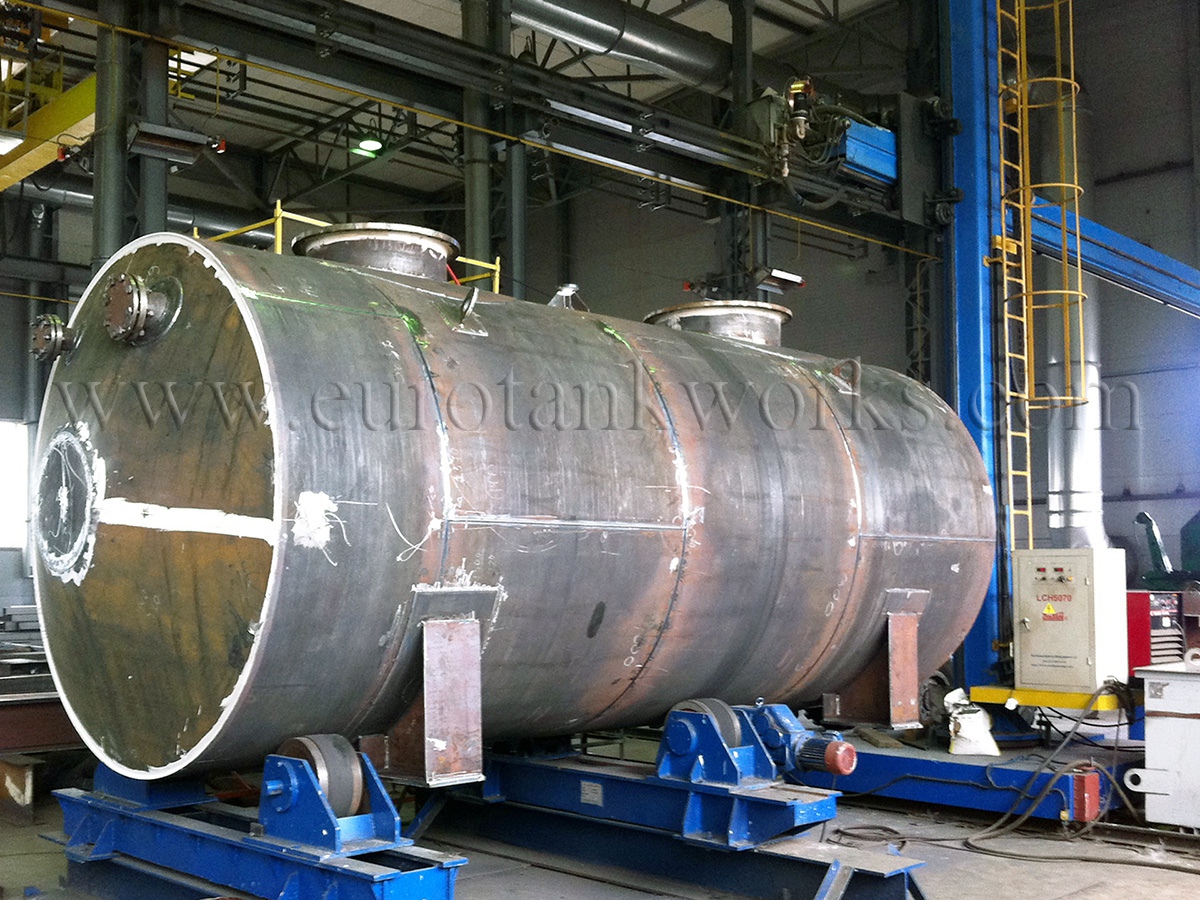
Regulatory modifications and conformity demands regularly form the landscape of storage tank manufacturing, compelling manufacturers to stay alert and adaptable. With boosting ecological problems and the promote lasting practices, regulative bodies are implementing stricter guidelines concerning discharges, products, and safety and security requirements. As an example, the U.S. Environmental Security Firm (EPA) and numerous state firms are revising laws that govern the style and installment of storage space containers, especially those made use of for harmful substances.
Manufacturers must not only comply with existing laws yet also prepare for future changes, requiring continuous financial investment in r & d. This includes adopting cutting-edge materials and technologies that improve tank integrity and environmental management. Conformity with policies such as the Spill Avoidance, Control, and Countermeasure (SPCC) guideline is important for manufacturers to stay clear of legal liabilities and large penalties.
Furthermore, the assimilation of digital modern technologies facilitates conformity monitoring and coverage, allowing manufacturers to keep transparency and effectiveness. As policies remain to progress, remaining educated and positive is important for storage tank manufacturers to assure compliance, secure public wellness, and safeguard the environment, eventually shaping an extra lasting sector.
Regularly Asked Inquiries

What Are the Most Common Materials Made Use Of in Storage Tank Manufacturing?
The most common products utilized in storage tank production consist of carbon steel, stainless-steel, and fiberglass. Each product offers unique advantages, such as toughness, rust resistance, and flexibility to various storage space needs and environmental problems.
Just How Do Tank Effect Local Ecosystems During Installation?
Tank installment can interrupt neighborhood ecological communities by changing land usage, affecting water drain patterns, and potentially introducing pollutants. Appropriate website evaluations and ecological management methods are necessary to minimize these influences and shield biodiversity.
What Is the Typical Lifespan of a Modern Storage Tank?
The ordinary lifespan of a contemporary storage tank commonly varies from 20 to three decades. Elements such as worldly high quality, environmental conditions, and upkeep methods considerably influence durability and overall performance throughout their operational life-span.
Just How Do Manufacturers Make Certain Quality Assurance in Production?
Manufacturers guarantee quality control through strenuous testing methods, adherence to market standards, and constant tracking throughout manufacturing (Oil & Gas Storage Tank Fabrication). Advanced innovations such as automation and real-time data analysis additionally boost uniformity and reliability in storage tank production processes
What Are the Expenses Related To Preserving Tank?
Preserving storage tanks entails numerous costs, including regular evaluations, repair services, governing conformity, deterioration avoidance, and possible ecological remediation. These expenditures can significantly impact general functional budgets and demand positive management to ensure long-term effectiveness and safety and security.
As manufacturers increasingly accept automation modern technologies, the implementation of smart sensors is ending up being a critical aspect of modern manufacturing procedures in the storage space tank market. Manufacturers in the storage container industry are significantly harnessing the power of AI-driven procedure optimization to boost operational efficiency and decision-making capabilities. Significantly, the storage space tank manufacturing sector is embracing environment-friendly materials as a fundamental element of sustainability methods. In today's production landscape, boosted security procedures have come to be important for storage tank manufacturers. Governing changes and compliance requirements frequently shape the landscape of storage space container manufacturing, compelling manufacturers to remain attentive and versatile.
Comments on “Storage Tank Manufacturing: hidden factors when investing”